The demo effect: fast‑track your artistic progress
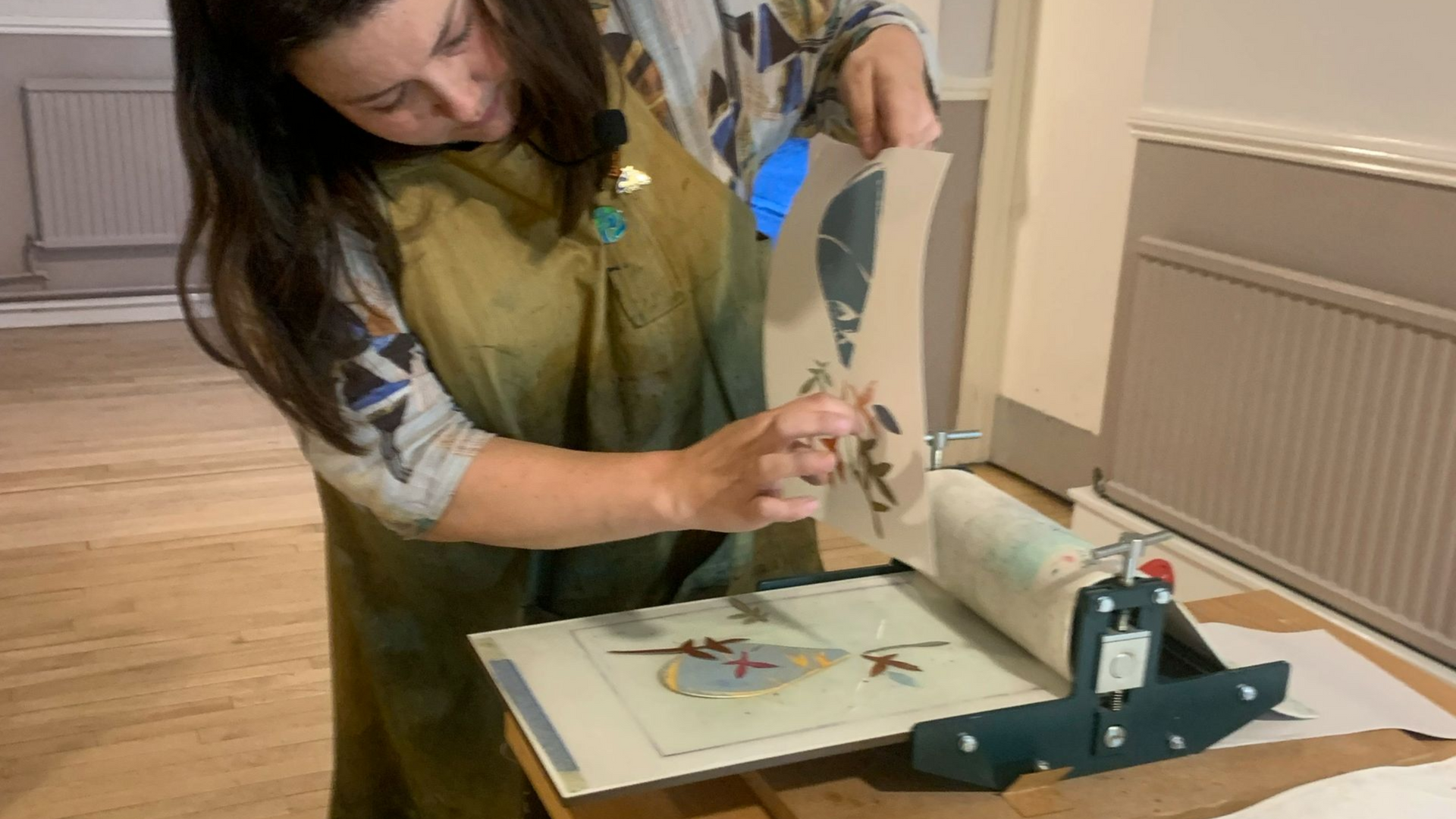
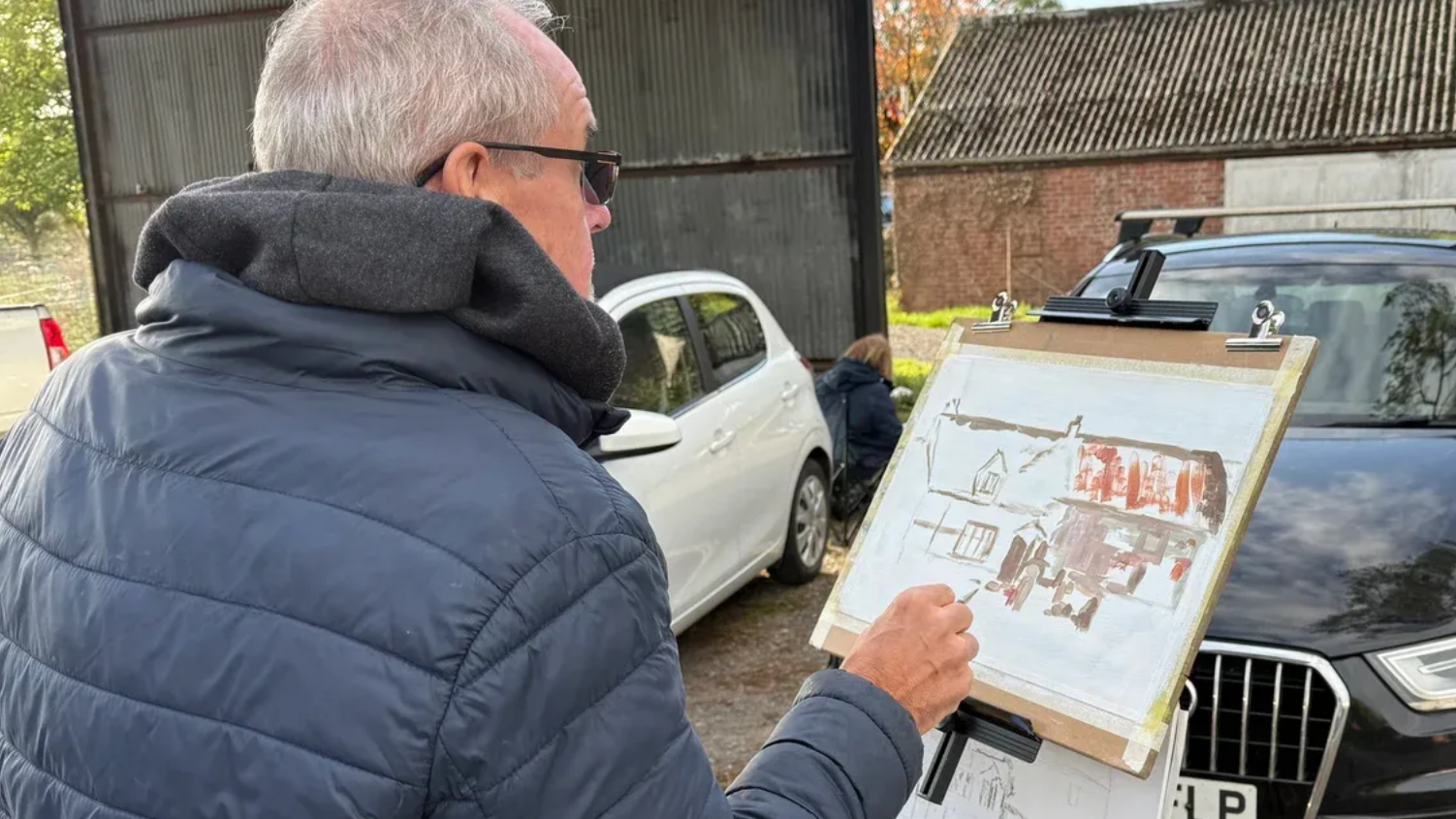
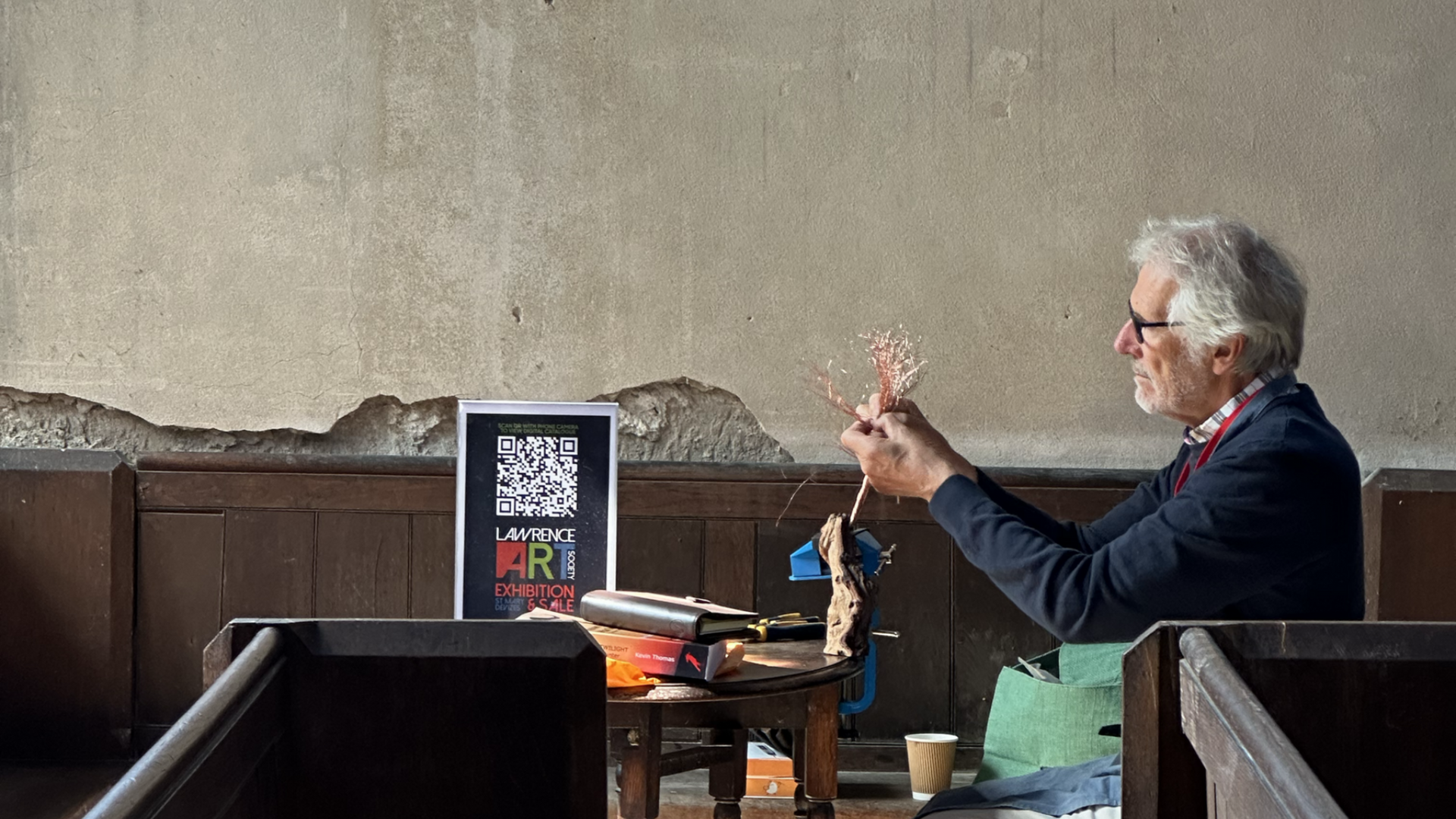
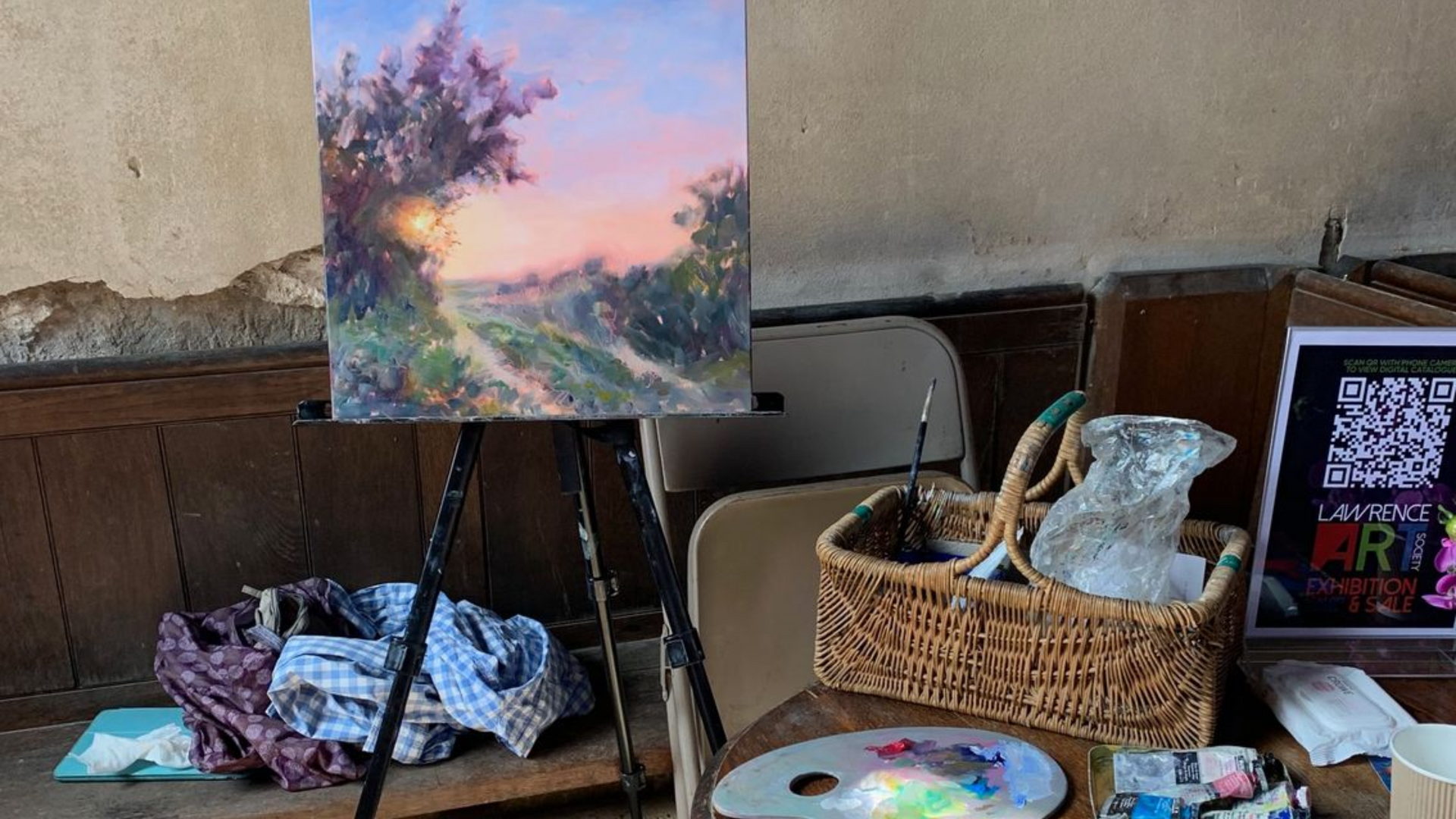
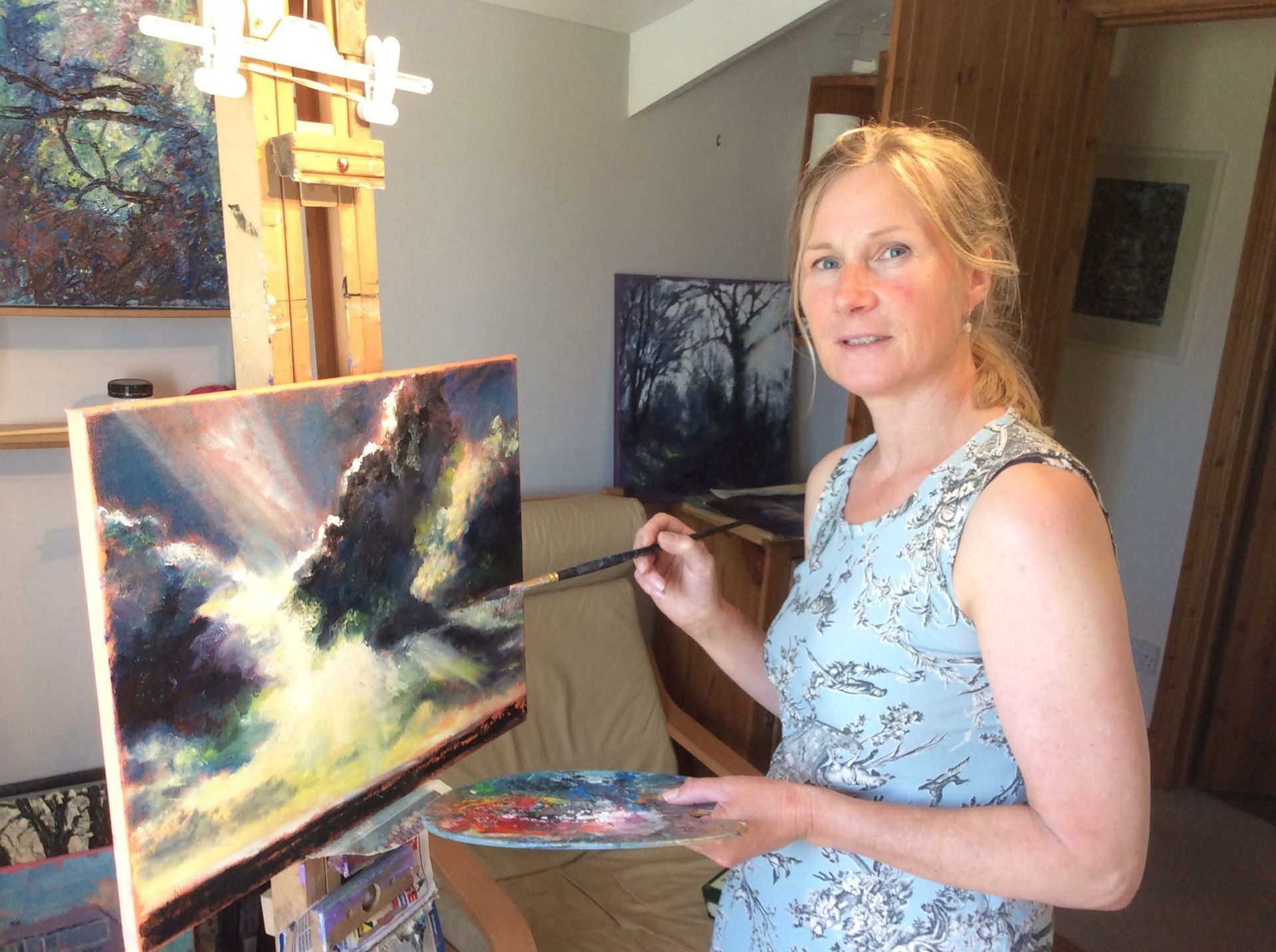
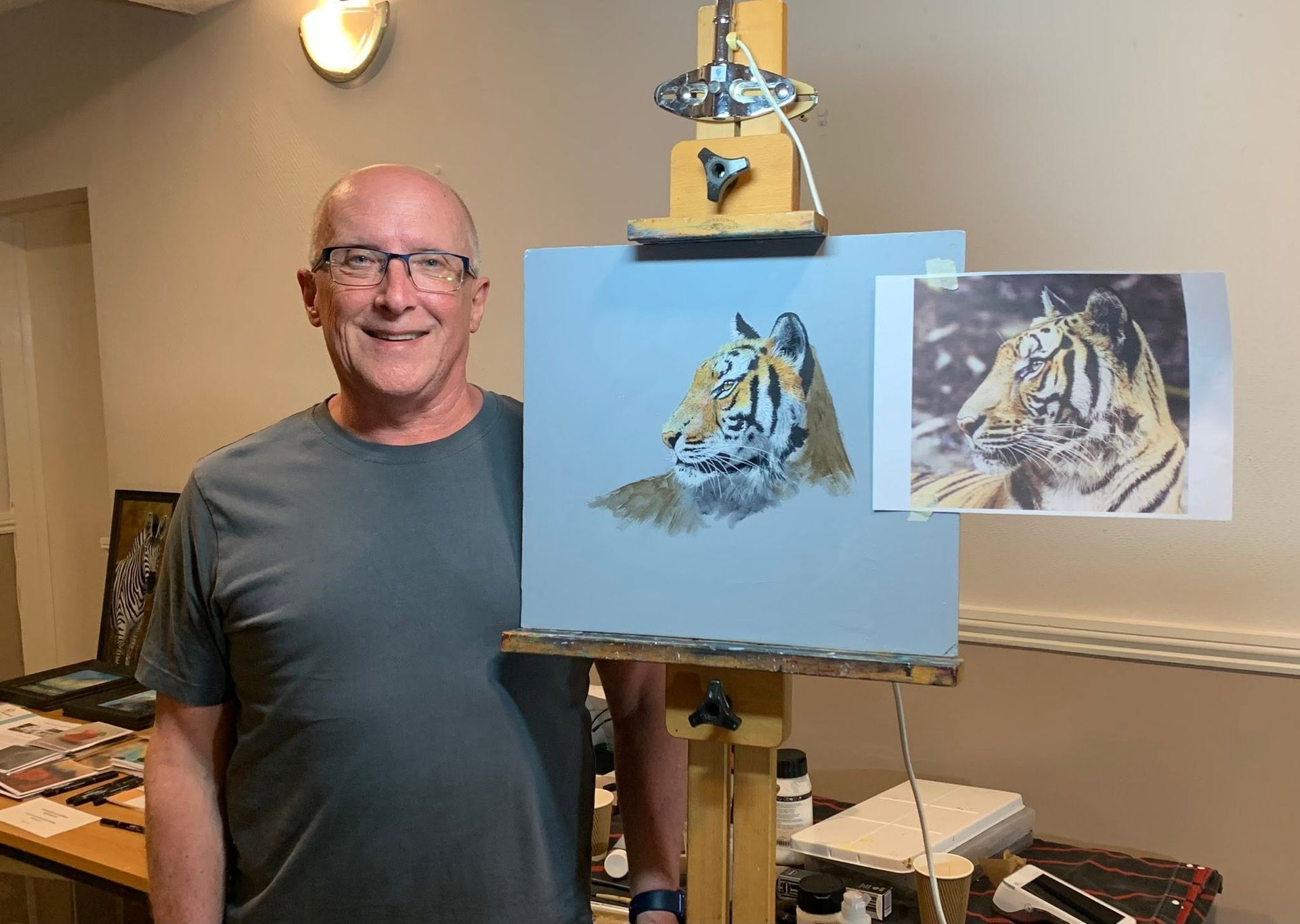
Art demonstrations are more than spectator events — they’re concentrated learning opportunities that show process, decision-making and practical problem-solving in real time. Watching an experienced artist work from a blank surface to a finished piece lets you see methods, materials and mistakes that rarely translate fully from written instructions or static images.
For members of the Lawrence Art Society, demonstrations form a core part of skills development: they reveal workflow, speed up learning, and inspire creative choices you can apply to your own creative journey.
List of Services
-
See the process, not just the resultList Item 1
A demonstration strips away finished‑piece polish and exposes the steps behind it: composition planning, underpainting, colour mixing, mark‑making and adjustments. Observing these stages helps you understand where and why an artist makes particular choices, so you can adopt or adapt techniques with clearer intent rather than guessing at them from a completed work.
-
Learn practical techniques and shortcutsList Item 2
Demonstrators often share practical tips — how to mix particular tones quickly, which brushes to use for a given texture, or how to prepare supports and grounds. These hands‑on tricks shorten the trial‑and‑error phase in your own work, letting you experiment confidently with new materials and approaches.
-
Absorb decision‑making under time pressureList Item 3
Many demonstrations are time‑limited, forcing the presenter to make swift compositional and tonal decisions. Watching how an artist simplifies forms, prioritises areas of focus and resolves problems under constraint trains your eye to make bolder, faster choices during life drawing, plein air sessions or timed practice – skills essential for developing a coherent, energetic style.
-
See materials and handling in contextList Item 4
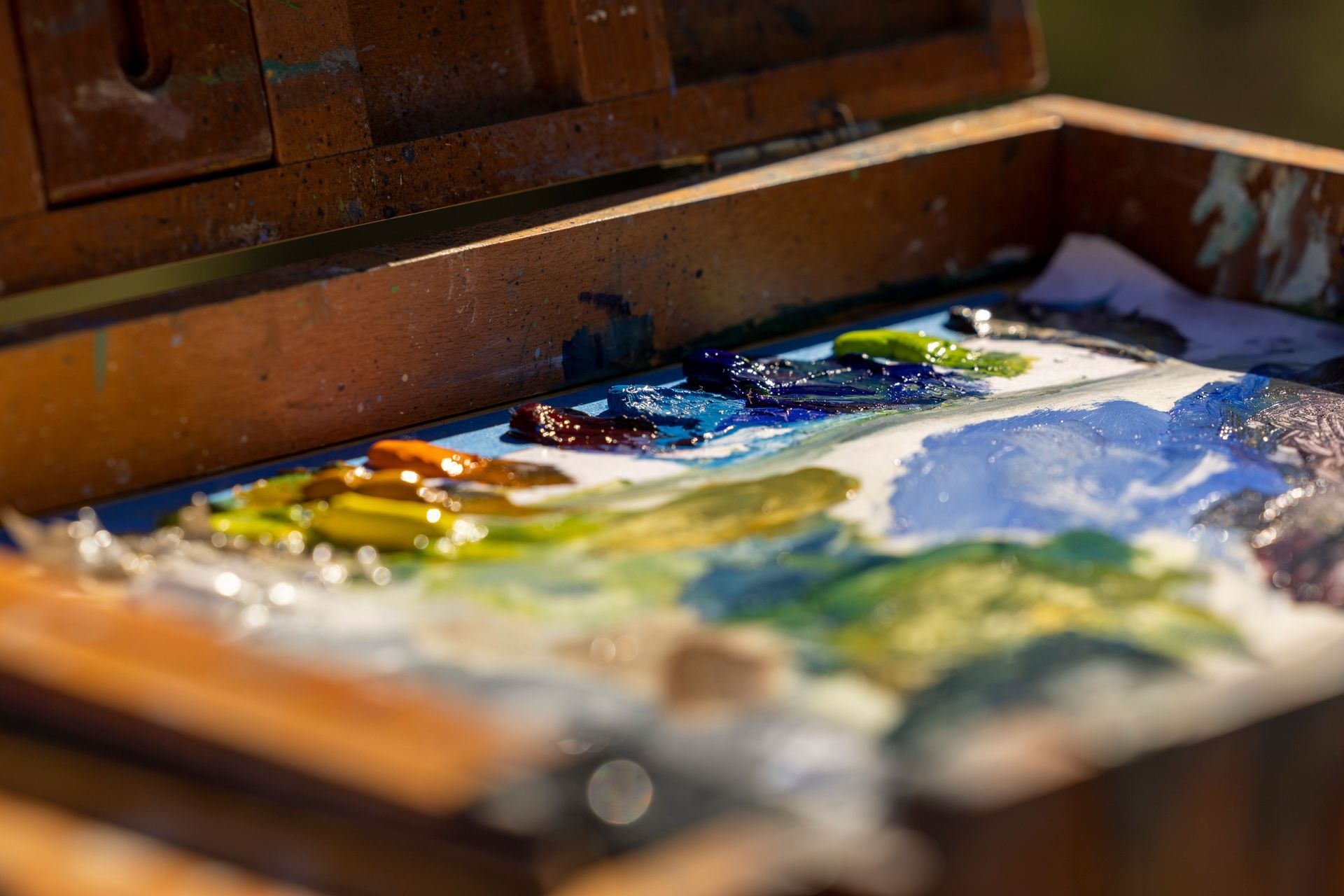
A demonstration shows not just what materials are used but how they’re handled: brush pressure, paint handling, medium ratios and layering techniques. This contextual learning makes it easier to replicate effects at home because you’ve seen the subtle hand movements and material behaviour that photos and descriptions can’t fully convey.

List of Services
-
Learn from mistakes and problem-solving
Artists working live will often correct or revise as they go. These “on-the-spot” fixes are invaluable: you learn how to rescue an overworked area, harmonise discordant colour, or adjust composition without starting over. Understanding common pitfalls and recovery strategies builds resilience in your own practice.
-
Encourages experimentation and adaptation
Seeing a trusted local artist try something new can be permission to experiment yourself. Demonstrations expose you to unusual combinations—mixed media, alternative supports, palette substitutions—that expand your visual vocabulary and reduce the fear of failure when trying new directions.
-
Immediate Q&A and focused critique
Post‑demo discussion is a chance to ask about intent, technique and alternatives. A short critique or explanation after a demonstration clarifies process choices and helps you translate observed methods into exercises tailored to your level and goals.
-
Boosts confidence and motivation
Watching a piece come together in a short time frame is motivating. Demonstrations show that complex-looking effects are often built from simple, repeatable steps. That demystification builds confidence: you’re more likely to attempt bolder work after seeing a technique executed live.
How to get the most from demos
Bring a sketchbook
make quick sketches of stages, colour notes and composition changes.
Take photos (if permitted)
capture key moments to reference later.
Try the technique straight away
replicate a small study immediately while the memory is fresh.
Ask specific questions
materials, brush sizes, drying times or thought processes.
Practice targeted exercises derived from the demo
limited-palette studies, timed versions, or reworking a problem area the demonstrator highlighted.
Continue with a masterclass
look into attending the artist's own classes where you can follow the technique step-by-step with personalised tuition and guidance.
Art demonstrations are concentrated, practical lessons in seeing and doing. They accelerate learning by revealing process, materials handling and problem-solving in real time, while offering direct access to experienced local artists’ knowledge.
For members of the Lawrence Art Society and emerging artists alike, demonstrations are a powerful way to learn new techniques, overcome creative blocks and build the confidence to broaden your artistic practice.
OTHER POSTS